
Law firmA clearer view of its cases
A law firm used Clio, its legal practice-management system, alongside spreadsheets for litigation deadlines and settlement tracking. The biggest problem was visibility. The owner had to go in and out of Clio accounts to understand where cases stood and what needed attention.
I built an internal web application connected to Clio that brings case information into one place. Staff continue working in the system they already use, while the owner can review deadlines across cases.
- Time
- Three weeks
- Status
- In daily use
Work
- Internal tools
- Clio integration
- Operational reporting
- Custom report builders
- Spreadsheet import and export
- Webhook automation
- Single sign-on
Built with
ClioPythonFlaskPostgreSQL
Making case information easier to use
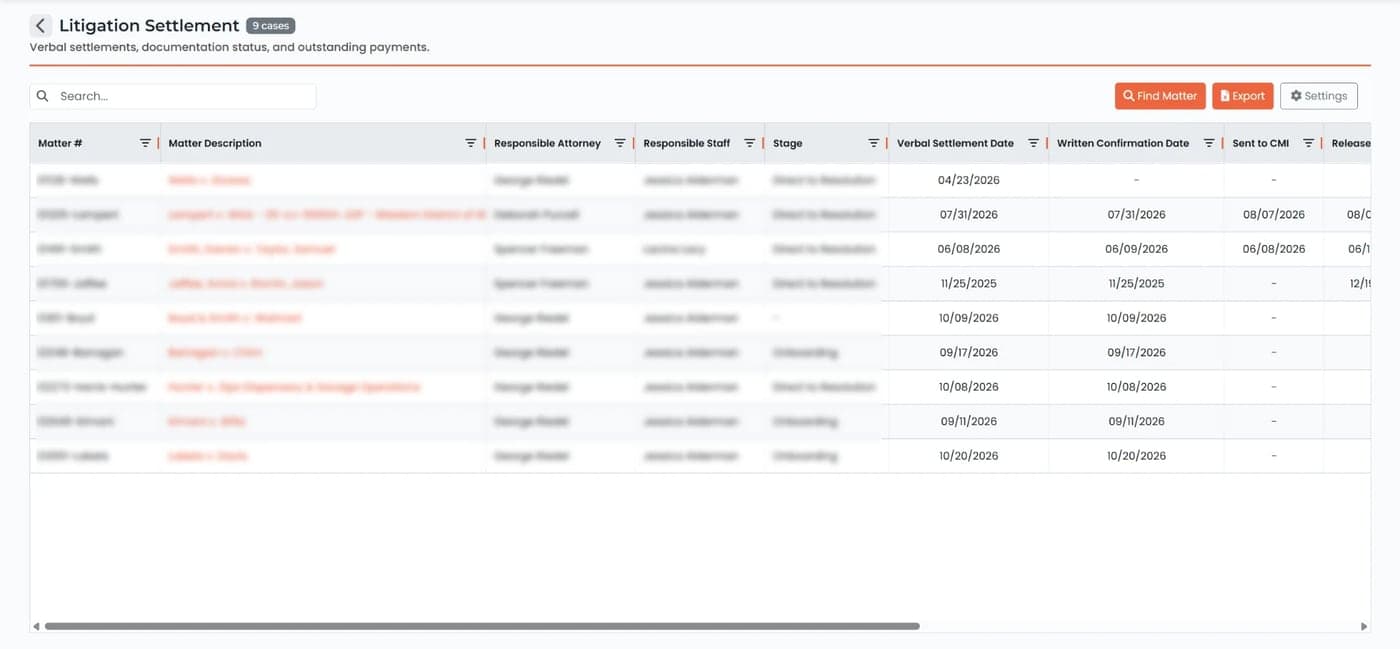
I organized the reporting around the firm’s working needs: litigation deadlines, discovery activity, and settlement progress.
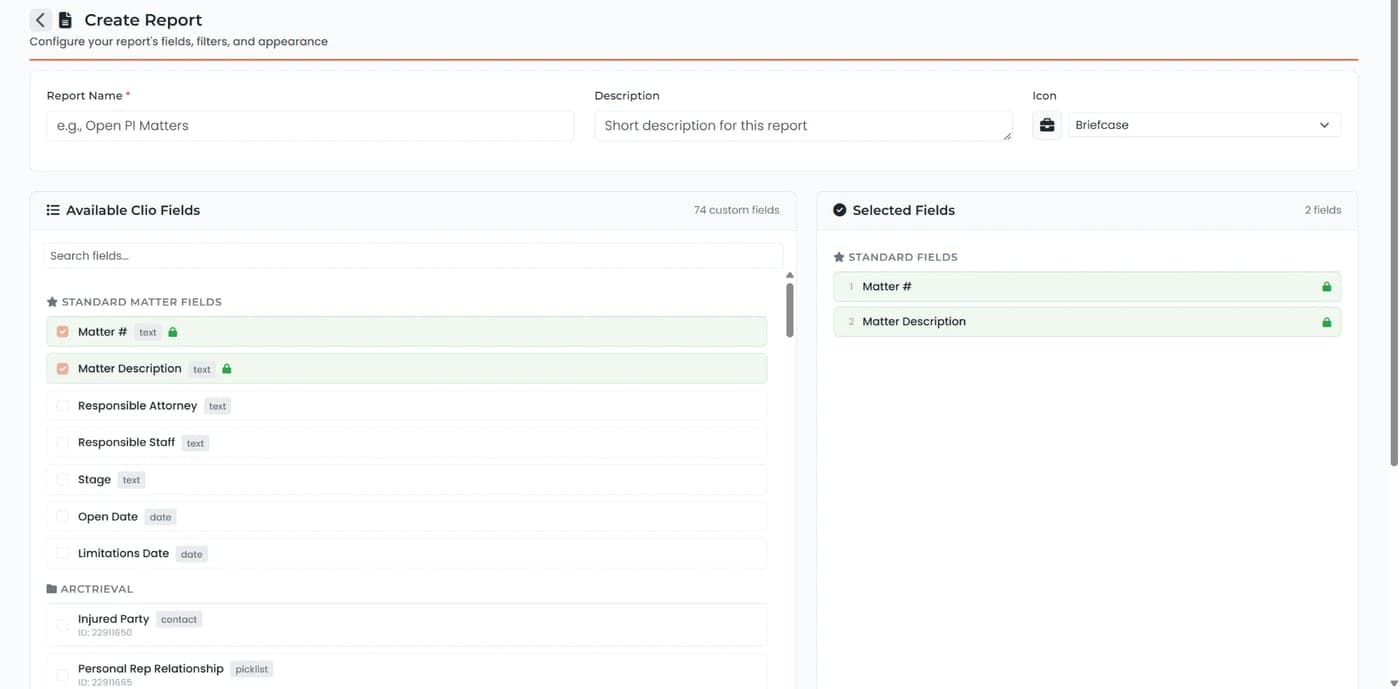
Each view presents relevant cases in a searchable, sortable table. Users can open a case, review its details, and update supported fields directly in Clio. They can also build their own reports by choosing the fields and filters they need.
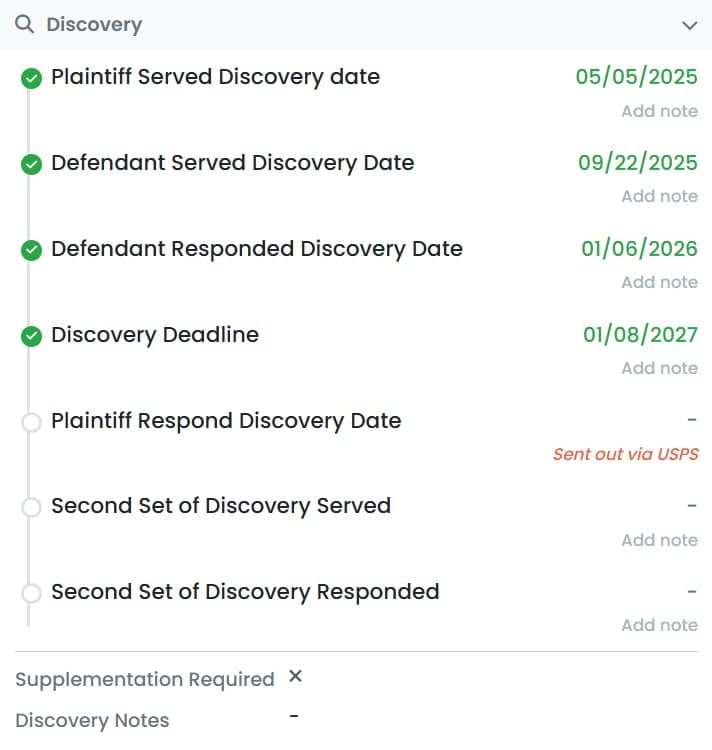
The application adds notes tied to individual deadlines, giving the firm a way to capture context that its existing Clio workflow did not support. A date can sit alongside the information needed to understand what is happening.
Used every day
The firm now uses the application daily. Staff work in Clio, where they already spend their day, and the owner has one place to see deadlines across cases.
The practical change is visibility: the owner can review where cases stand without moving between accounts, with relevant notes alongside the dates that need attention.
What I delivered
- A web application connected to Clio, using existing Clio sign-in.
- Operational reports, for litigation deadlines, discovery, and settlements.
- A custom report builder, with selectable fields, filters, and saved views.
- Case editing and deadline notes, for reviewing and maintaining information.
- Excel import and export tools, to move information between spreadsheets and Clio.
Clio remains the main record for case data. The application provides the reporting and editing tools around it.